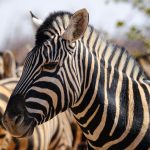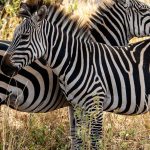
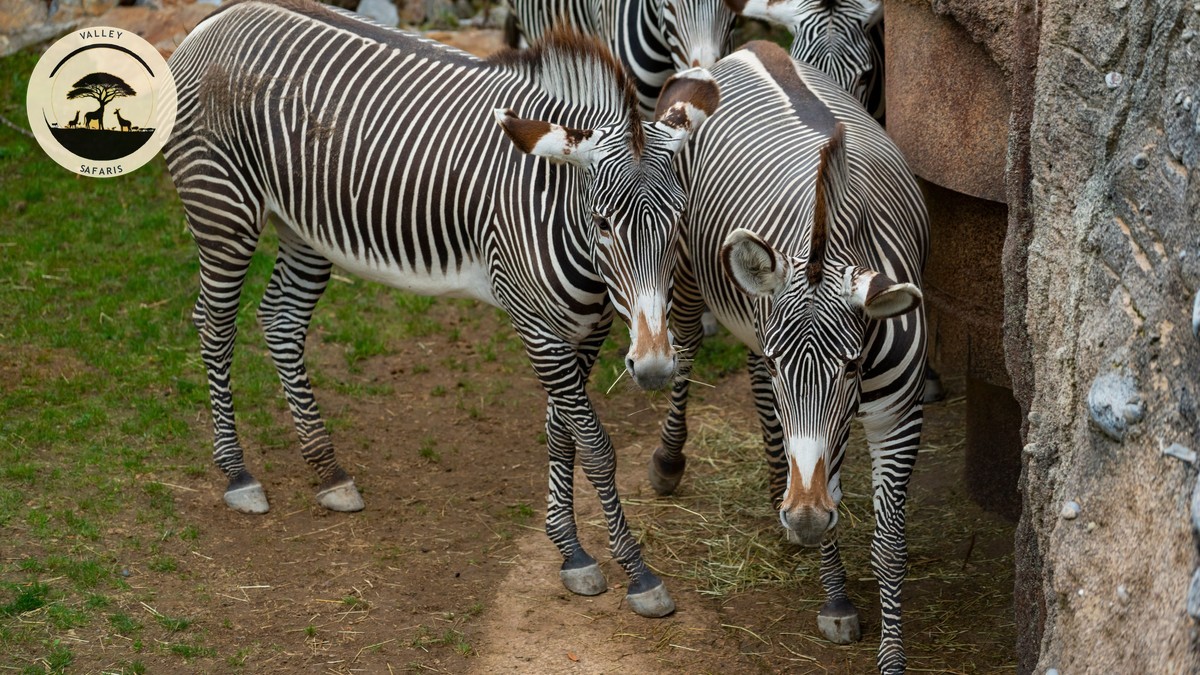
The first time a guide pointed out a Grevy’s zebra next to a common plains zebra, I understood why Samburu gets its own category of wildlife fame. The stripes are narrower, the ears rounder, the whole animal built differently. It stood there in the morning light like it belonged on a different continent, not four hundred kilometers from the Mara.
That is the Samburu special five explained in one sighting. This dry, russet landscape north of the equator holds five species you will not tick off on a standard Big Five safari: Grevy’s zebra, reticulated giraffe, Beisa oryx, gerenuk, and Somali ostrich. Photographers call this combination the Samburu Special Five, and once you have framed a gerenuk standing on its hind legs to browse an acacia, you will understand the appeal.
The Samburu Special Five Explained
The term is a deliberate echo of the Big Five, the lion, leopard, elephant, buffalo, and rhino that dominate most safari marketing. Samburu County tourism operators coined the Special Five label in the early 2000s to give visitors a reason to come north, beyond simply chasing the same cats they could find in the Mara or Amboseli.
All five species share one trait: they are adapted to Kenya’s arid north, the country east of the Great Rift Valley where rainfall is thin and vegetation turns thorny. You will not find reliable populations of any of them south of the equator in Kenya’s better known parks.
Meet the Five
Grevy’s zebra is the largest wild equid alive, with pencil thin stripes that do not meet at the belly, and it is now endangered. Fewer than 3,000 remain in the wild, most of them in and around Samburu, Buffalo Springs, and the Laikipia conservancies. Photographers get the best pattern definition in the flat light just after sunrise, when the stripes read crisp against the dust.
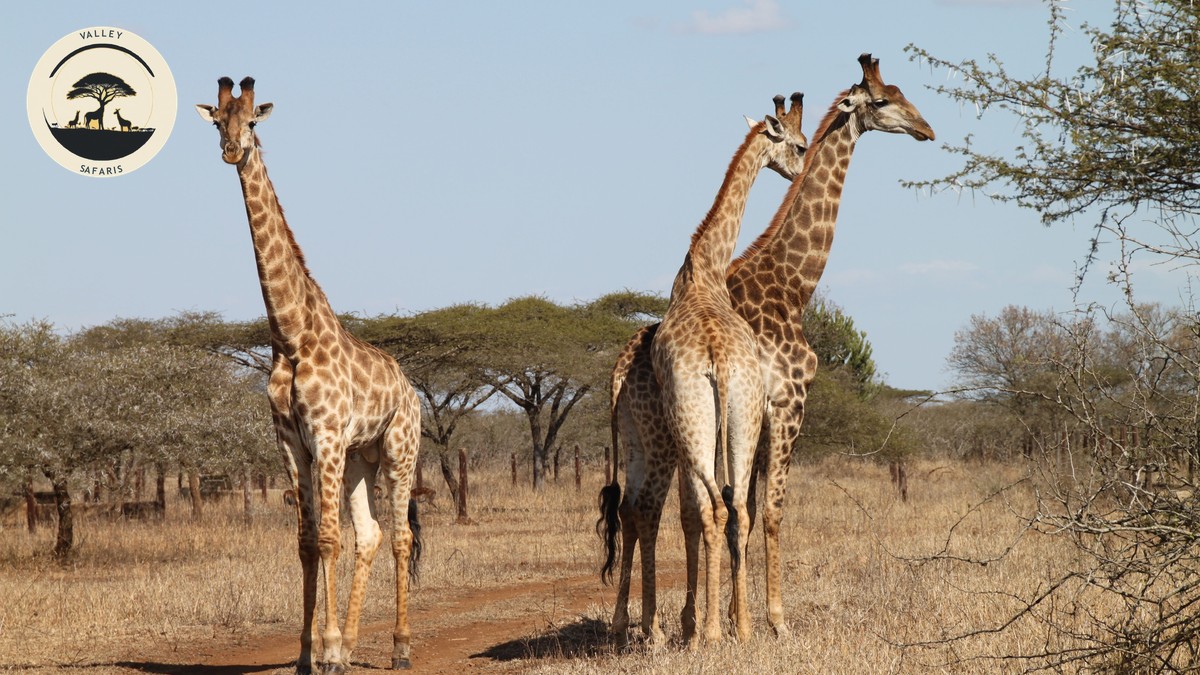
Reticulated giraffe wears a coat of sharp, liver-colored polygons separated by bright white lines, unlike the jagged blotches of the Masai giraffe further south. They browse the doum palms along the Ewaso Ng’iro River, and a giraffe silhouetted against a palm canopy at golden hour is one of the classic Samburu frames.
Beisa oryx carries straight, rapier horns that can reach a meter long, with a bold black and white face mask. They favor open, scrubby plains, so you will often spot them at a distance, which rewards a longer lens, 400mm or more.
Gerenuk is the strangest of the five, a slender antelope that stands on its back legs to reach leaves other browsers cannot. Its name comes from the Somali word for giraffe-necked. Catching one mid-stretch takes patience and a vehicle positioned early, since they tend to feed hardest in the cool hour after dawn.
Somali ostrich has striking blue-grey legs and neck instead of the pink of the common ostrich, most vivid on breeding males. They favor open ground near Buffalo Springs, and the blue tone photographs beautifully against Samburu’s orange soil.
Samburu Special Five vs the Big Five
| Samburu Special Five | Big Five | |
|---|---|---|
| Species | Grevy’s zebra, reticulated giraffe, Beisa oryx, gerenuk, Somali ostrich | Lion, leopard, elephant, buffalo, rhino |
| Best parks | Samburu, Buffalo Springs, Shaba | Masai Mara, Amboseli, Tsavo, Lake Nakuru |
| Habitat | Arid, semi-desert scrubland | Savanna grassland and woodland |
| Cat sighting reliability | Moderate, less dense than the Mara | High, especially in the Mara |
| Distance from Nairobi | About 325 km, 5 to 6 hour drive | 270 km to the Mara, 5 to 6 hours by road |
| Typical park fee (non-resident, per 24 hrs) | USD 80 adult / USD 40 child | USD 80 adult / USD 45 child (Mara) |
Samburu still has lions, leopards, and elephants. What it lacks is the Mara’s sheer density of predators. Think of Samburu as the place for range and texture in a photo portfolio, not the place to guarantee a leopard kill.
Where to See Them: Samburu, Buffalo Springs, or Shaba
Three reserves share the banks of the Ewaso Ng’iro River, and each has a slightly different character. Samburu National Reserve, on the north bank, has the densest network of camps and the most consistent Grevy’s zebra sightings near Buffalo Springs Gate and along the river loop. Buffalo Springs, on the south bank, has more open plains and tends to produce better oryx and ostrich sightings, plus fewer vehicles. Shaba National Reserve, east of the other two, is quieter still, with dramatic lava rock outcrops and a genuine chance of having a sighting to yourself.
If you only have one day, base yourself in Samburu proper and cross into Buffalo Springs for an afternoon game drive. With two or three days, add a morning in Shaba for the solitude and the gerenuk activity along its acacia thickets.
For a fuller sense of how far Samburu is from Nairobi and other parks, it helps to see the whole northern circuit mapped out before you build an itinerary.
Best Time of Year to Visit
The dry seasons, January to March and June to October, concentrate wildlife around the Ewaso Ng’iro River, which never fully dries up. Animals cluster near the water, making sightings easier and light cleaner, since there is less dust haze than in peak dry months like September.
For photographers, June through September gives the best balance: green enough for contrast in the frame, dry enough to pull animals to the riverbanks. Avoid late March through May if you want reliable game drives. The long rains turn Samburu’s black cotton soil roads into a genuine problem, and some camps close entirely.
Are the Samburu Special Five Endangered?
Grevy’s zebra is the most urgent case, listed as endangered, with the Grevy’s Zebra Trust running monitoring and community scout programs across Samburu and Laikipia. Beisa oryx and reticulated giraffe are both listed as near threatened, largely due to habitat loss and poaching pressure outside protected reserves. Gerenuk and Somali ostrich are more stable but still benefit from the same community conservancy model that protects the others.
Much of that conservation work is coordinated by the Northern Rangelands Trust, which links community conservancies across northern Kenya, and by Lewa Wildlife Conservancy, a short hop from Samburu, which shares research and anti-poaching resources with the reserves further north.
Camps for Viewing the Special Five
| Camp | Location | Indicative rate (per person/night, high season) | Known for |
|---|---|---|---|
| Elephant Bedroom Camp | Samburu National Reserve, riverside | USD 500 to 750 | Riverfront tents, easy access to giraffe and oryx country |
| Larsens Camp | Samburu National Reserve, riverside | USD 450 to 700 (indicative) | Classic tented camp, strong guiding |
| Saruni Samburu | Kalama Conservancy, hillside | USD 600 to 900 (indicative) | Private hides, community conservancy access |
| Sasaab | Westgate Conservancy, above the river | USD 800 to 1,200 (indicative) | Design-led luxury, spa, quieter game viewing |
Rates shift by season and operator, so treat these as planning bands rather than fixed quotes.
How Many Days Do You Need
Three nights covers the Special Five comfortably, with two full days in Samburu and Buffalo Springs and a half day in Shaba. Photographers chasing specific behavior, gerenuk browsing, oryx sparring, want four nights to allow for a slow morning or two when the light does not cooperate.
Flying in from Nairobi’s Wilson Airport takes about 1 to 1.5 hours to one of Samburu’s airstrips. Driving takes 5 to 6 hours on the Thika Superhighway and B-roads north through Isiolo, a route best done in daylight given the road condition past Isiolo town.
The Valley Safaris Difference
We do not sell Samburu as a stand-alone big-cat safari, because it is not one. We sell it as the sharpest wildlife add-on in Kenya, paired with three or four nights in the Mara or Amboseli for predator density. Our guides know which side of the Ewaso Ng’iro is producing sightings that week, not just which camp has a nice pool.
We also build in the slow mornings photographers need. A generic itinerary rushes you from gate to gate. Ours holds a vehicle in place near a gerenuk feeding site for forty minutes if the light and the animal are cooperating, because that patience is often what separates a good frame from an ordinary one. You can compare Samburu’s wildlife to other Kenyan parks with us before deciding how to split your days.
FAQ
Is Samburu worth visiting compared to the Masai Mara? Yes, as a complement rather than a substitute. Go to the Mara for cats, go to Samburu for species you cannot see there.
Can you see the Special Five outside Samburu National Reserve? Yes. Buffalo Springs and Shaba hold all five, and Grevy’s zebra and Beisa oryx range into Laikipia conservancies like Lewa too.
What’s the difference between a Grevy’s zebra and a common zebra? Grevy’s zebras are larger, with narrower stripes that stop at the belly, round Mickey Mouse ears, and a white belly with no stripes at all.
Plan Your Samburu Trip
If Samburu’s Special Five sounds like the missing piece in your Kenya itinerary, we would love to help you build the trip around it. Have a look at our Samburu safari page or get in touch and we will start mapping out camps, timing, and the rest of your route.